

Residency programs
ECU Health Medical Center offers the following residency and fellowship programs.
Meta
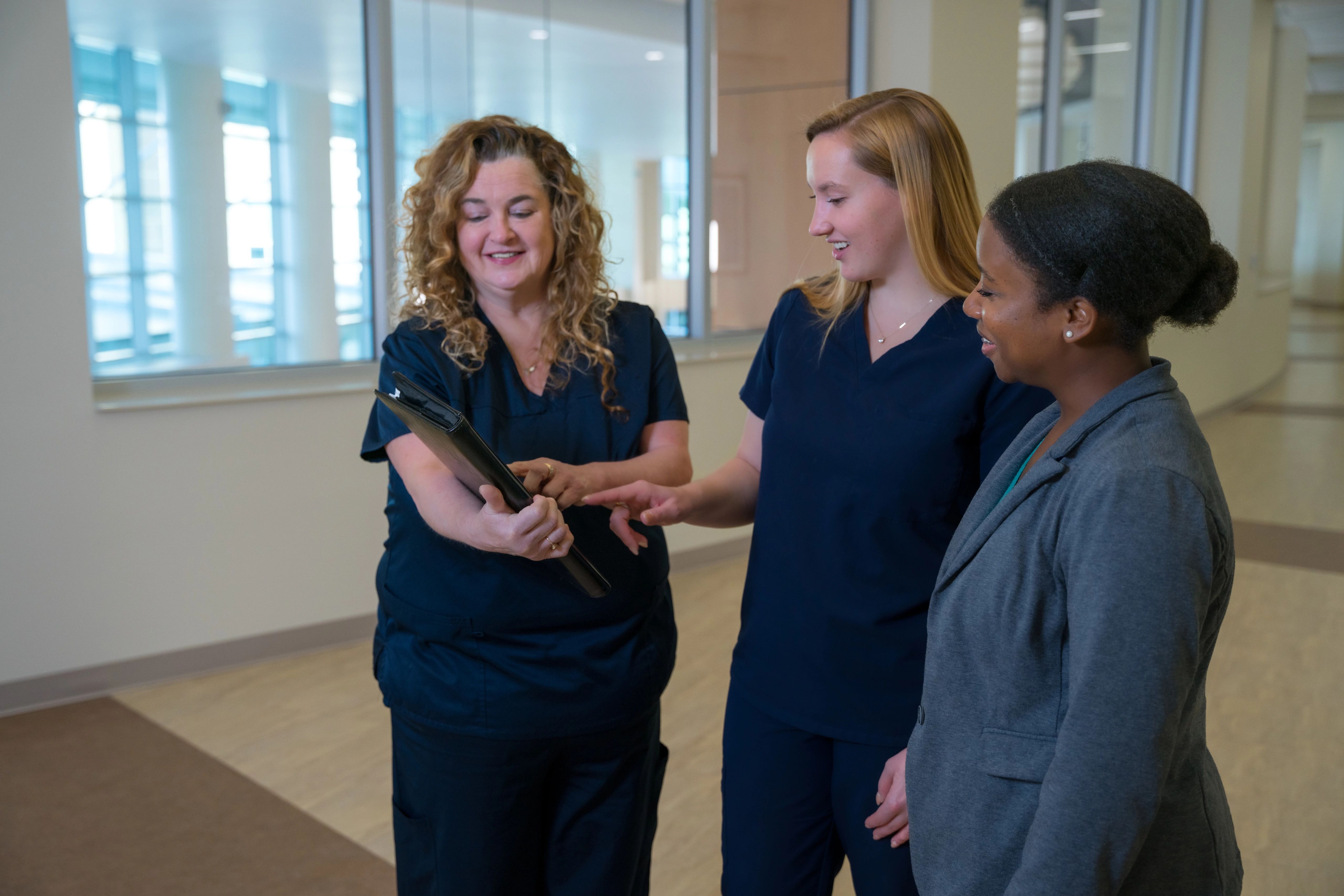
PGY1
Aims to develop residents into exceptional clinicians and adaptable leaders through tailored experiences that equip them with skills to address present and future healthcare challenges.
Meta
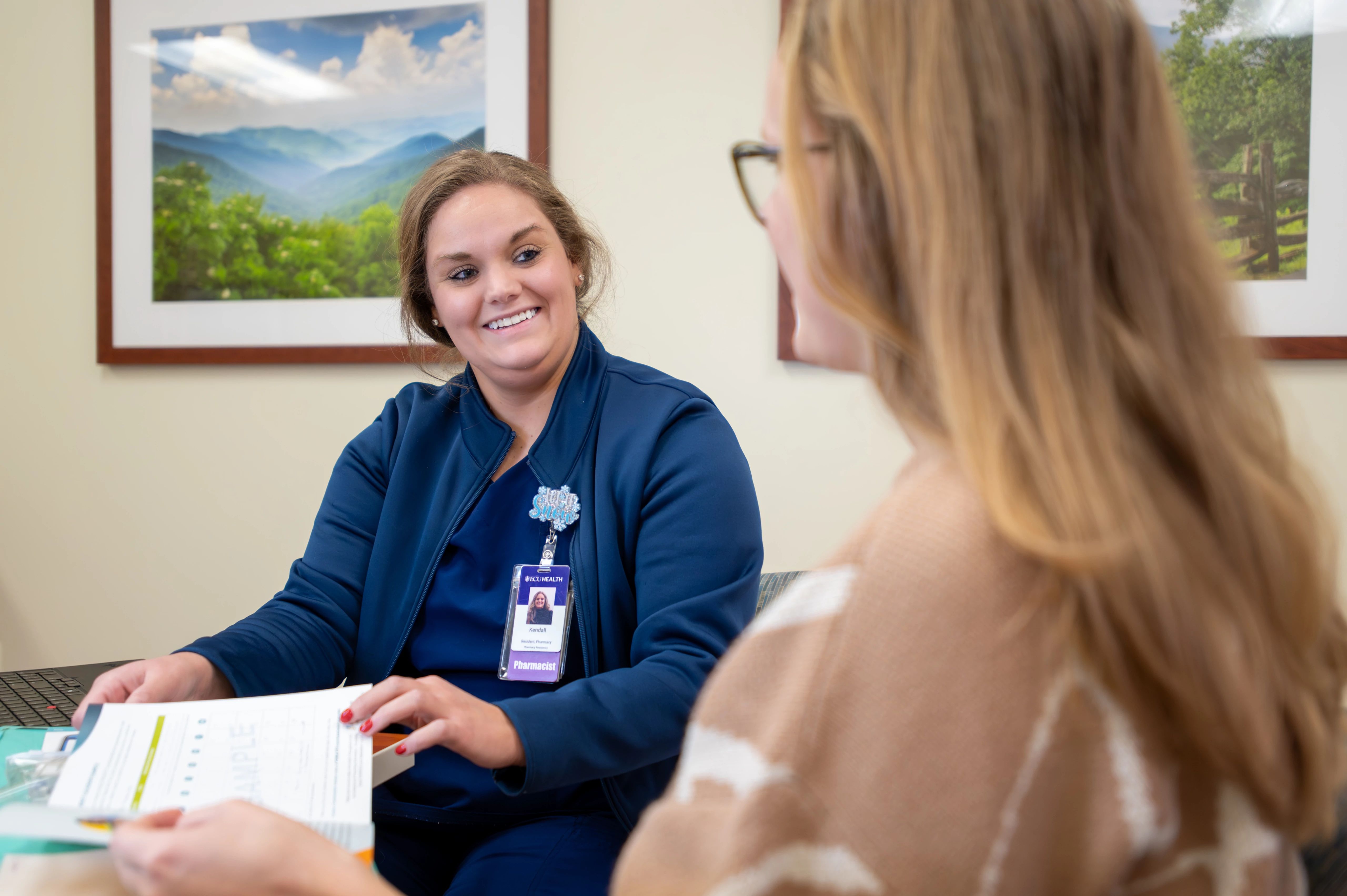
PGY1 Specialty Pharmacy
Provides a unique training experience that integrates clinical and operational aspects of specialty pharmacy within a health system, one of the fastest-growing areas of pharmacy practice.
Meta
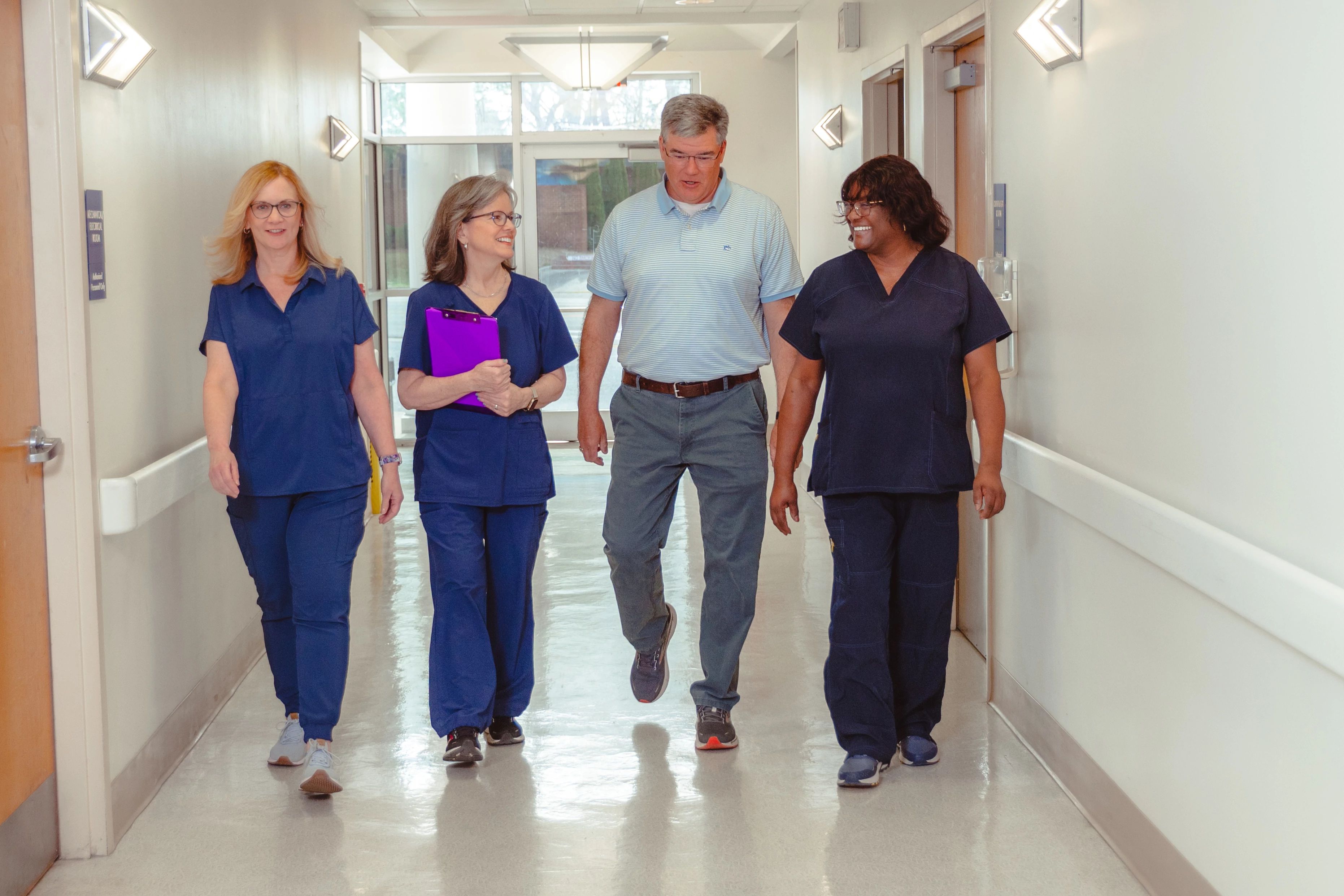
PGY1 Rural Healthcare
Gives residents exposure to complex patients in an academic setting with experience in the uniqure challenges of rural pharmacy practice.
Meta
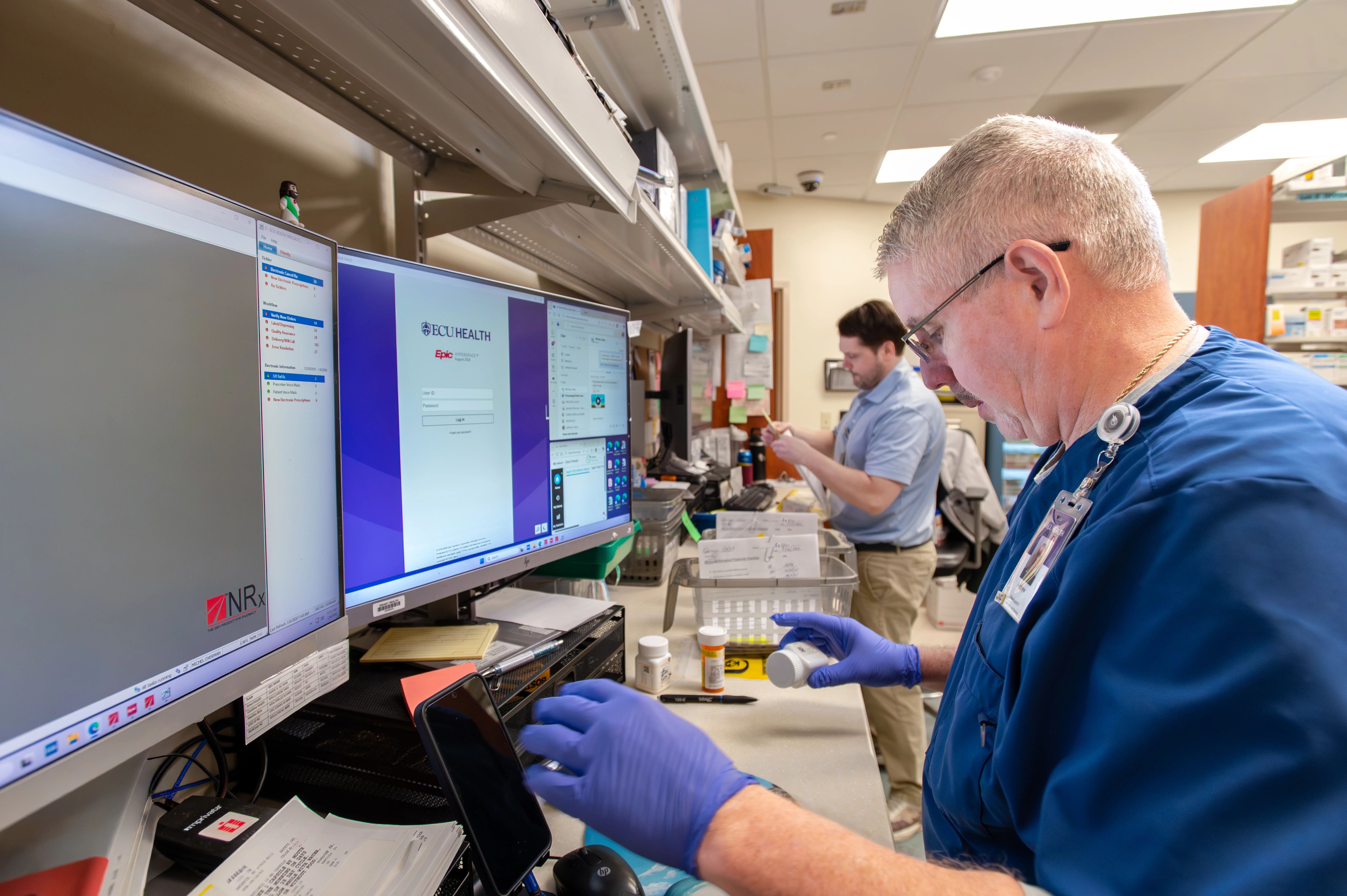
PGY2 Critical Care
Provides diverse ICU and ED rotations at a Level I Trauma and referral center, exposing residents to advanced critical care, including LVAD and ECMO support, across varied critically ill populations.

Meta
PGY2 Emergency Medicine
Trains pharmacists through diverse ICU and ED rotations, hands-on involvement in critical alerts and resuscitations and teaching responsibilities, aiming to develop confident, skilled emergency medicine pharmacists.
Meta
PGY2 Infectious Diseases
Provides training in stewardship, ID consults, HIV/ID clinic, OPAT and microbiology. Residents gain experience across hospitals, managing antimicrobials, creating guidelines and caring for complex, immunocompromised patients.

Meta
PGY2 Pediatric
Offers rotations in a variety of settings including general pediatrics, pediatric intensive care, neonatal intensive care, pediatric hematology-oncology, pediatric emergency medicine, pediatric infectious disease and nutrition support.

Meta
PGY2 Informatics
Residents will explore how technology influences contemporary pharmacy practice and learn to use it effectively to improve patient care, safety, efficiency and the clinician experience.
Frequently asked questions
We offer varied experiences for our residents including:
Leadership opportunities
PGY1
PGY2
Presentation skills
Precepting abilities
Leadership opportunities
PGY1
- Engage in administrative and leadership activities during their Pharmacy Administrative Experience; for programs in the Specialty and Rural setting, these experiences are tailored to those areas
- Encouraged participation in outside leadership activities
PGY2
- Engage as active members in specialty-specific committees
- Gather data and lead quality initiatives for specialty-specific pharmacotherapy issues
- Work on the creation of order sets and education for new practice initiatives
Presentation skills
- CE program(s)
- Didactic lectures to pharmacy students and medical residents during interdisciplinary learning experiences
- Multiple presentations throughout the year to the pharmacy and medical staff including journal clubs and patient case presentations
- Completion of a teaching certificate
Precepting abilities
- Residents may co-precept pharmacy students in a layered learning model

At ECU Health Medical Center, we help our residents identify projects that are not only interesting to them, but ones that are relevant and pertinent to our department. To do this, we seek regular input from our pharmacy staff for project ideas and solicit ideas from the new residents that undergo review by the Pharmacy Research Council. During the residents' orientation month, the Pharmacy Research Council works with the residents to select projects that are mutually beneficial. Residents complete ASHP required projects, including a medication use evaluation (MUE), longitudinal projects in pharmacy management and other non-traditional projects, such as those involving informatics. View previous residency projects.

The staffing portion of the residency requires that each resident staff an average of 32 hours per month (1 shift per week). This may vary slightly by program. We evaluate the staffing component each year to provide the most beneficial practice opportunities for our residents.

Previous ECU Health Medical Center PGY1 residents have gone on to further their training through PGY2 programs or fellowships, while others have obtained positions in academia or entered straight into clinical practice. Previous PGY2 residents have obtained positions in academic medical centers across the country. A full list of past residents is available here.

An ideal ECU Health Medical Center residency candidate is self-motivated, possesses high academic standing and demonstrates commitment and ambition in their endeavors outside of the classroom. Successful candidates exude a positive attitude and proactively seek opportunities to grow through constructive feedback and challenging rotational experiences.
All potential candidates are required to submit an application packet through PhORCAS by the deadline date. Upon review by the Residency Program Director and applicable preceptors, interviews are granted and are conducted during the months of January and February. We will conduct either virtual or onsite interviews (based on candidate preference or ASHP recommendations). Additional information will be shared as it becomes available. A team of residency preceptors, departmental administrators, current residents and clinical/staff pharmacists interview each residency candidate. Once the interviews are complete, each candidate is evaluated and ranked by the entire interview committee. Final rankings are submitted to the ASHP Resident Matching Program.
The resident's year is organized based on the requirements set forth by ASHP and resident interest. The year is divided into two major components: required experiences (which include an orientation month and a research month) and elective experiences.
Residents are formally evaluated after each clinical experience (required and elective) through the use of an online tool called PharmAcademic that was created for use by ASHP. Residents are also evaluated quarterly by the Residency Program Director for overall progress towards the goals set forth at the beginning of residency. In addition to these formal evaluations, residents receive informal feedback throughout the year.
Greenville boasts a very affordable cost of living and has an abundance of safe and economical apartment complexes strategically located near the medical center. Average monthly rentals range from $900 to $1250 per month. Utilities can vary depending on the housing arrangement, but usually the cost does not exceed $200 per month. Professional real estate assistance is available for those residents that choose to purchase a home.
ECU Health Medical Center residents are provided private office space located in the pharmacy administration suite. Each resident is supplied with a laptop computer and dual monitor docking station for use during the residency year. In addition, residents have easy access to office supplies, printer and copier as needed. ECU Health Medical Center provides parking at no charge and meals from the hospital cafeteria are discounted for employees. The ECU Health Sciences library grants access to electronic medical resources and journals. Our team sponsors a research certificate program to train not only our residents but residents across North Carolina on research skills.
ECU Health Medical Center orientation takes place in two parts. The first part is a general orientation for all new employees that describes the values and the mission of the health system as well as orients employees to the rules and regulations of the hospital. This is also the time at which new employees enroll in their benefits package. The second part of the orientation process relates specifically to the operation of the pharmacy department. During the month of July, residents interact with a variety of pharmacy staff in centralized and decentralized locations. Extensive time is spent on the operation and functionality of our integrated EHR (Epic) system. Resident orientation generally focuses on positioning the residents to successfully navigate the department while staffing. Interspersed throughout the month are multiple meetings regarding projects, committees and the general "meet and greet" of all preceptors.